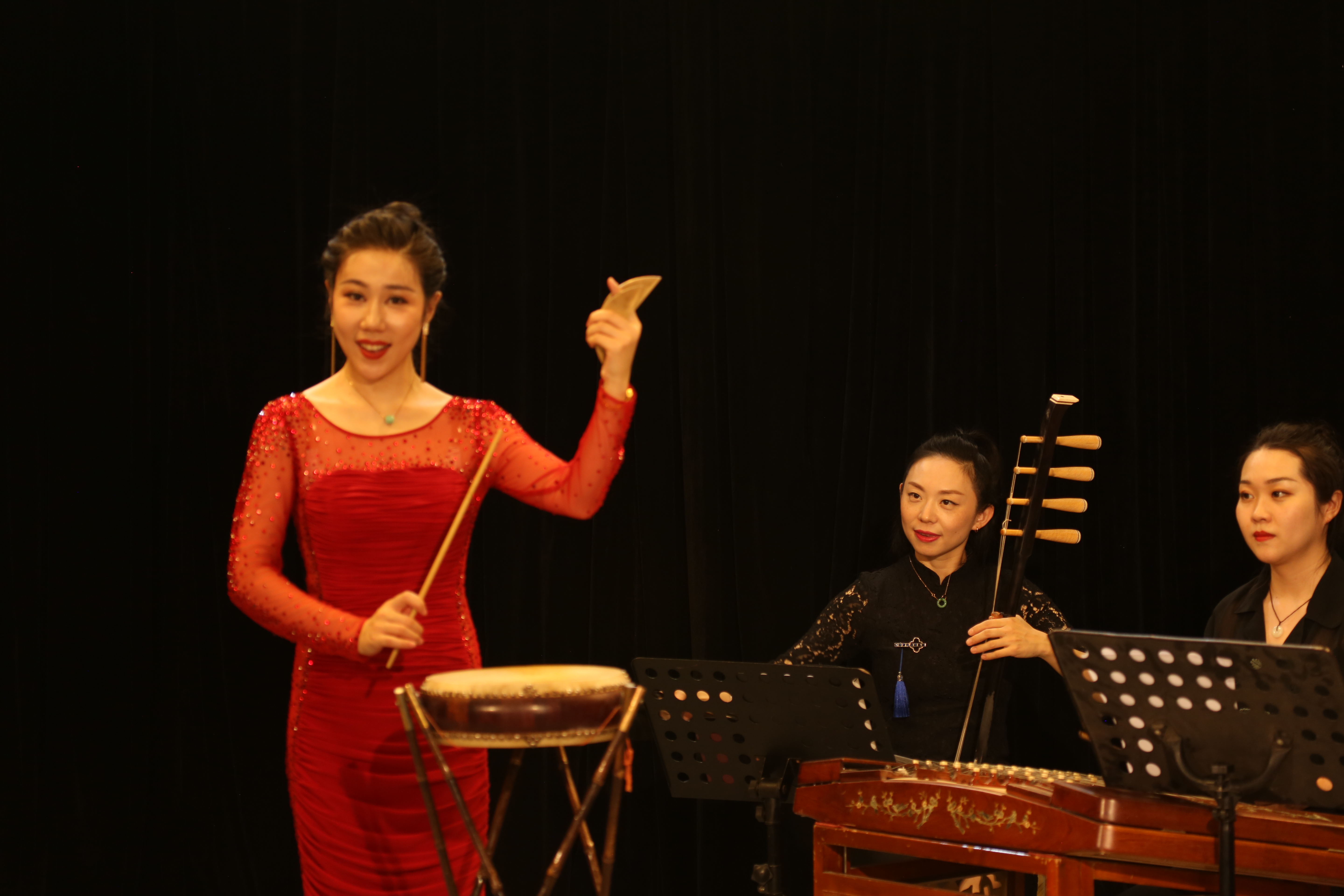
Shandong Drum
Introduction
The Shandong Drum, also known as "Lihua Drum", is one of the earliest surviving forms of northern Chinese drum storytelling and drum song. Originating during the late Ming Dynasty (1368-1644), it boasts a history of over 370 years. This unique folk art form developed in the rural areas of northwest Shandong province and is performed in the Shandong dialect. It combines singing and storytelling with instrumental accompaniment, forming a distinctive style of Chinese quyi (folk performance art).
History
Initially, Shandong Drum performances featured only simple plowshare fragments struck for rhythm, accompanied by local folk tunes. Over time, this evolved into a sophisticated art form with structured melodies, rhythmic variations, and specialized instruments, including a low-standing drum, crescent-shaped cymbals, and a three-stringed lute. During the Qing Dynasty (1644-1911), Shandong Drum was predominantly performed in rural areas, with notable performers such as Guo Laozhan and He Laofeng. By the late Qing period, the art form had transitioned into urban settings, particularly with the contributions of female performers like Bai Niu and Hei Niu, marking an era of significant popularity.
During the early 20th century, Shandong Drum gained prominence in major cities such as Beijing, Tianjin, and Shanghai, propelled by celebrated artists like the "Four Great Yus": Xie Dayu, Li Dayu, Zhao Dayu, and Sun Dayu. This golden age saw the development of new repertoires and techniques, further expanding its influence across northern and eastern China.
Artistic Features
Music and Singing Style: Shandong Drum is renowned for its unique melodies derived from local folk songs and regional operatic traditions. The performance style emphasizes clear enunciation and dynamic emotional expression, with a strong rhythmic foundation provided by percussion instruments. The singing employs traditional tune structures with variations in tempo and phrasing. Accompaniment includes drums, cymbals, and the three-stringed lute, creating a rich and evocative auditory experience.
Performance Techniques: The storytelling is interspersed with rhythmic drumbeats and lively instrumental interludes. The performer’s ability to modulate voice and rhythm according to the storyline’s emotional peaks is key to captivating the audience. Techniques such as "rolling notes" and "breaking tones" are frequently used.
Cultural Significance
Shandong Drum is considered a cornerstone of Chinese folk performing arts. It served as a precursor to other forms of quyi, such as Shandong Kuaishu and influenced the development of regional styles like Qiao School Henan Zhuizi and Xihe Drum. Its preservation of local dialect, folklore, and historical narratives makes it a valuable cultural heritage. Photo Gallery(1 picture)CategoriesArtsTagIntangible Cultural HeritageChinese MusicTheaterOpera and DramaRelatedShandong KuaishuCatalogue1. Introduction2. History3. Artistic Features4. Cultural Significance- - - []








